
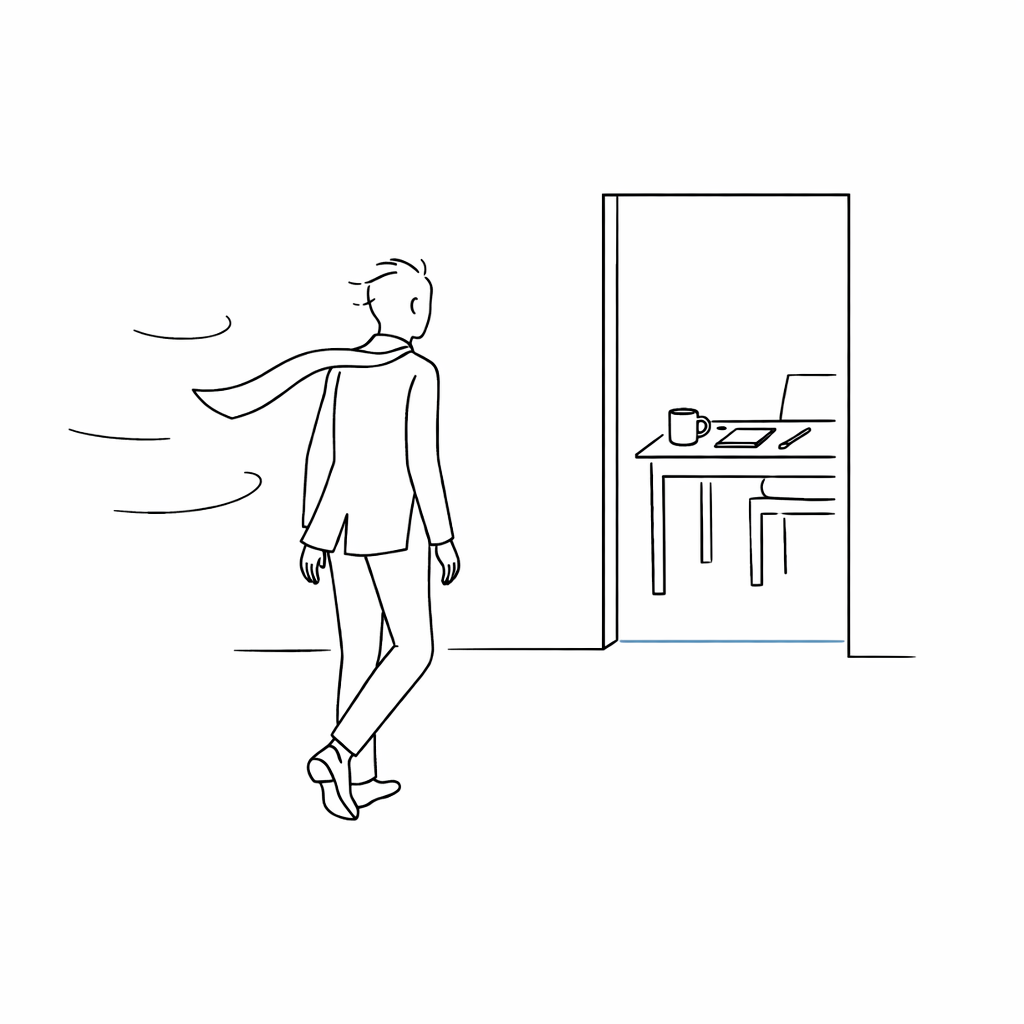

Case 02
Several months after structural correction, the studio was operating with stability.
Revenue was consistent.
Profit margins had improved significantly.
Workflows were controlled.
The team operated with clarity.
Crisis had been replaced with discipline.
Then the call came.
A highly visible Michelin-level restaurant owner planning to open a flagship location in the city. He requested a full interior design concept.
The opportunity was undeniable.
Prestige.
Media visibility.
Portfolio elevation.
Reputational acceleration.
Excitement entered the room immediately.
The Seduction of Prestige
During the initial consultation, enthusiasm led the conversation.
The founder presented his vision confidently.
The client responded with interest – but also with uncertainty.
He was undecided between:
- A seafood concept
- An Italian fine dining direction
- Additional thematic variations
He requested multiple design concepts before final commitment.
Budget was undefined.
“It depends on what we choose.”
Timeline expectations were aggressive.
Execution speed was emphasized repeatedly.
And there was one critical expectation:
Multiple conceptual directions – within the scope of a single contract.
The justification was subtle:
“Being associated with this project will elevate your brand.”
The founder felt discomfort.
He also felt ambition.
The Internal Conflict
He rationalized:
- After this project, I can be more selective.
- This exposure will secure long-term positioning.
- Perhaps my caution is just leftover fear from previous instability.
Prestige has a unique ability to silence intuition.
He knew the red flags:
- Undefined scope
- Undefined budget
- Scope expansion likelihood
- Timeline volatility
- Power imbalance in negotiation
He had seen this pattern before.
Only now, the stakes were higher.
Declining felt like losing a once-in-a-lifetime opportunity.
Accepting felt like bold ambition.
He paused.
Instead of signing, he contacted Comperio.
Strategic Evaluation
We removed prestige from the equation.
We assessed only structure.
Our evaluation focused on:
- Scope clarity probability
- Margin compression risk
- Timeline feasibility under change requests
- Payment security indicators
- Behavioral negotiation signals
The conclusion was clear:
High reputational exposure.
High operational destabilization risk.
High probability of unpaid conceptual expansion.
High likelihood of timeline conflict.
This was not a growth project.
It was a volatility project.
We advised decline.
Firmly.
The Decision
The founder hesitated.
Ambition resisted discipline.
But structural maturity prevailed.
He declined professionally.
No justification.
No emotional defense.
Simply alignment standards.
The Outcome
Within months, the restaurant owner publicly entered disputes with multiple design firms.
Reports surfaced of:
- Repeated concept changes
- Payment delays
- Contractual disagreements
- Designer replacements
Reputational friction became visible.
Meanwhile, the studio secured two mid-sized projects.
Stable budgets.
Clear scope.
Predictable execution.
Margins held.
Team stability remained intact.
Stress did not return.
No rescue was required.
Prevention had worked.
Closing Insight
Not every prestigious project is strategic.
Luxury does not operate in flashes of visibility.
It operates in controlled, quiet stability.


[…] https://comperioadvisory.com/the-project-that-tested-discipline/ […]
[…] Project, That Tested Discipline […]