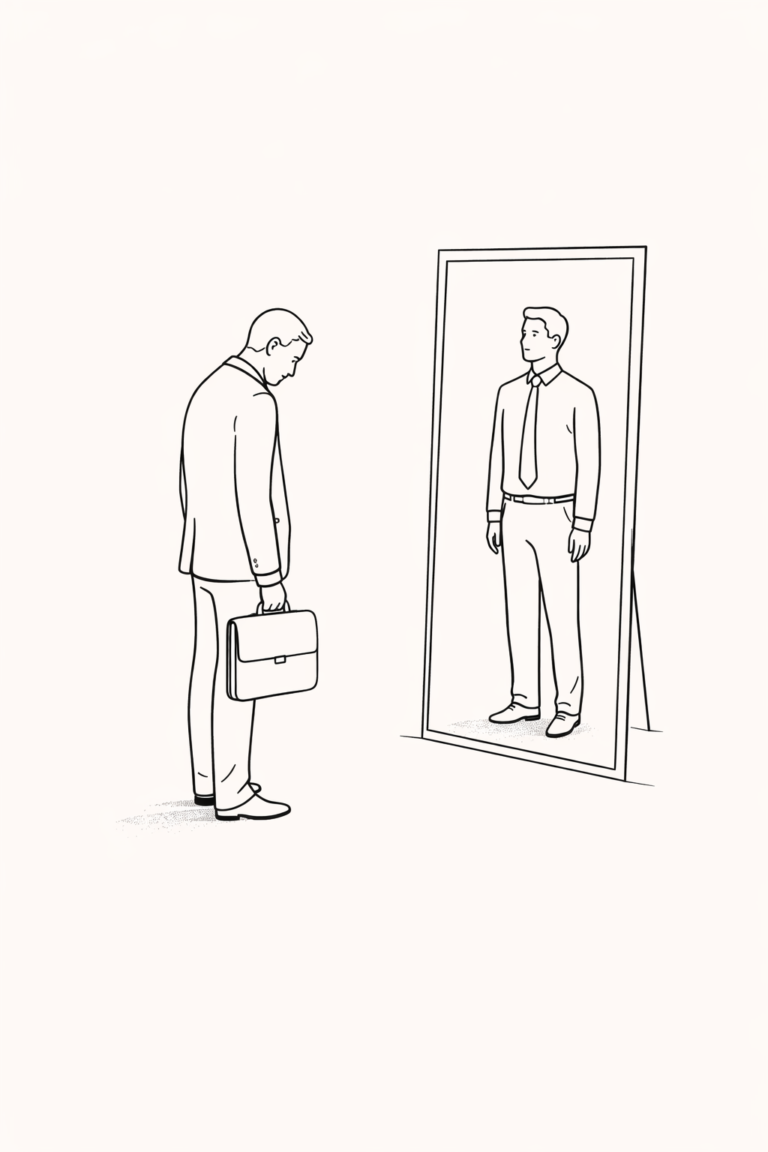
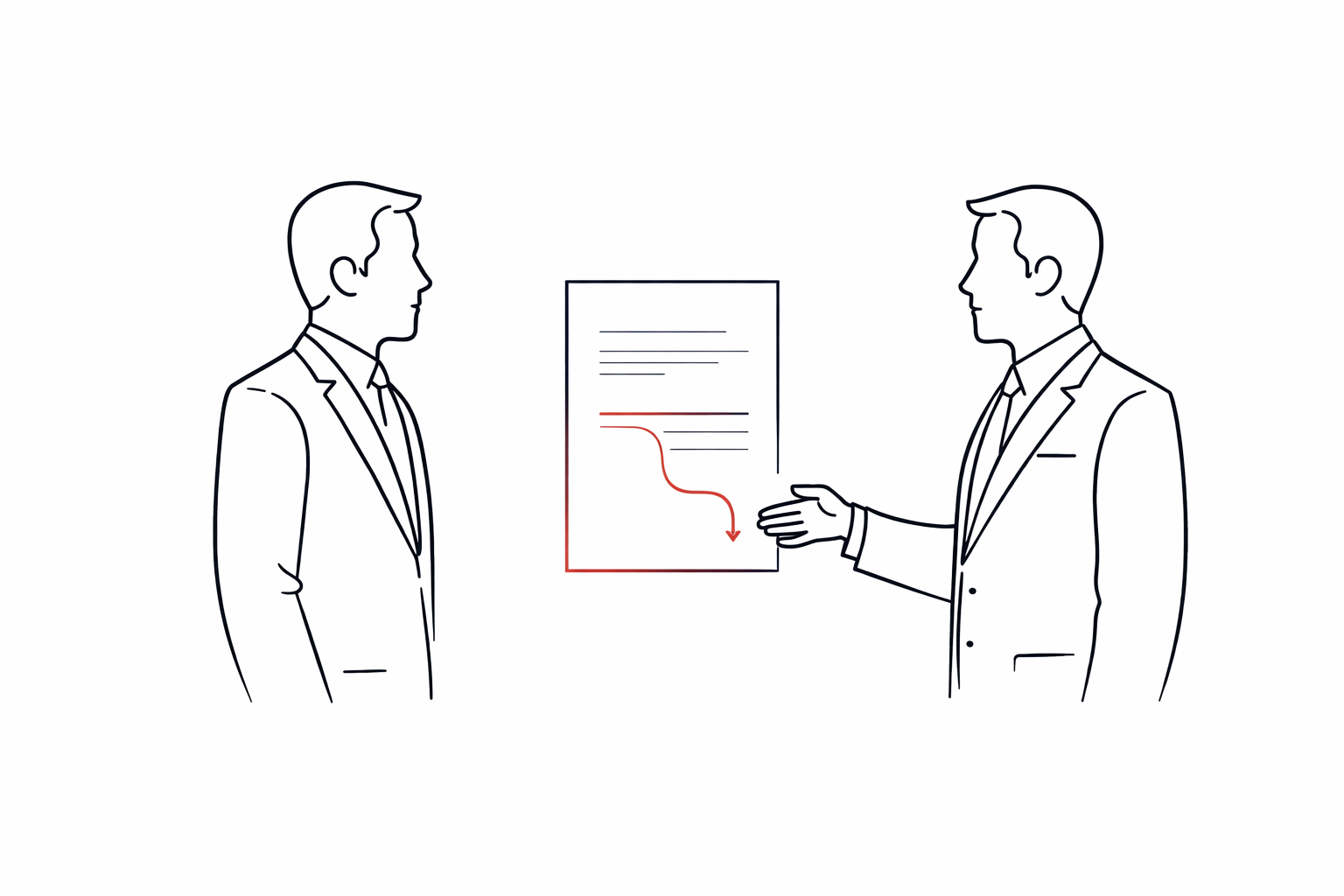

When relationships override structure
The Emotional Trigger
A founder builds strong client relationships.
Trust grows.
Friendship develops.
Conversations extend.
Then pricing becomes flexible.
“Let’s adjust.”
“It’s a long-term relationship.”
“I’ll make it work.”
The Rational Justification
- “Volume will compensate.”
- “Exposure will compensate.”
- “Future referrals will compensate.”
Compensation becomes imaginary.
Structural Consequence
Emotional pricing leads to:
- Margin instability
- Negotiation culture
- Scope creep
- Resentment
- Hidden financial pressure
Revenue may increase.
Profit quietly shrinks.
Preventive Intervention
Ask:
- Is pricing defined before emotional interaction?
- Are discounts strategic or reactive?
- Would this rate apply if there was no personal connection?
Structure protects relationships.
Not the opposite.
Closing Insight
Flexibility feels generous.
But when pricing becomes emotional, structure erodes quietly.
Clarity protects relationships more effectively than concessions ever will.
Respect in business grows from consistency – not accommodation.
Reflective Questions
Am I preserving harmony at the expense of stability?
Would I offer the same price if there were no personal connection?
Are my discounts strategic – or reactive to discomfort?
Does this agreement strengthen the business – or weaken its foundation?