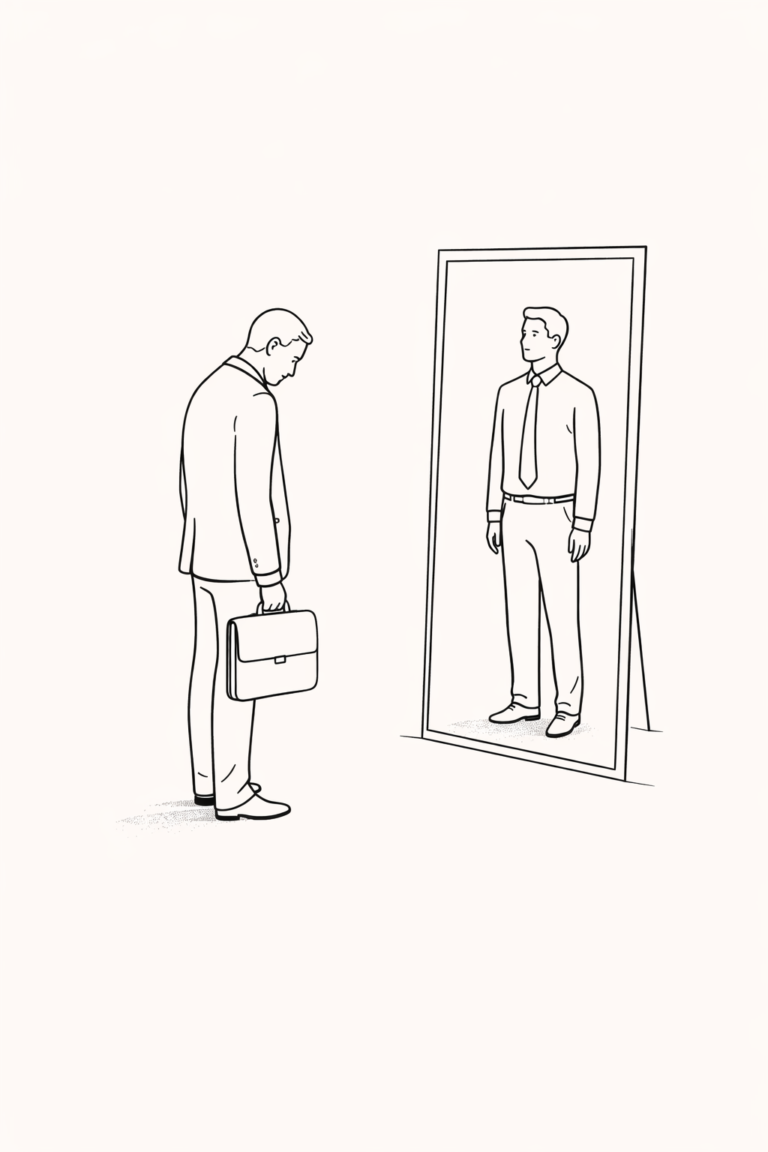


Opening Reflection
The first compromise feels uncomfortable.
But the second one rarely does.
Because the mind has already adjusted.
We stop questioning our actions, and what once felt unacceptable slowly becomes the new normal.
The Comfort of Repetition
Once an action is repeated, the brain stops labeling it as unusual.
It becomes routine.
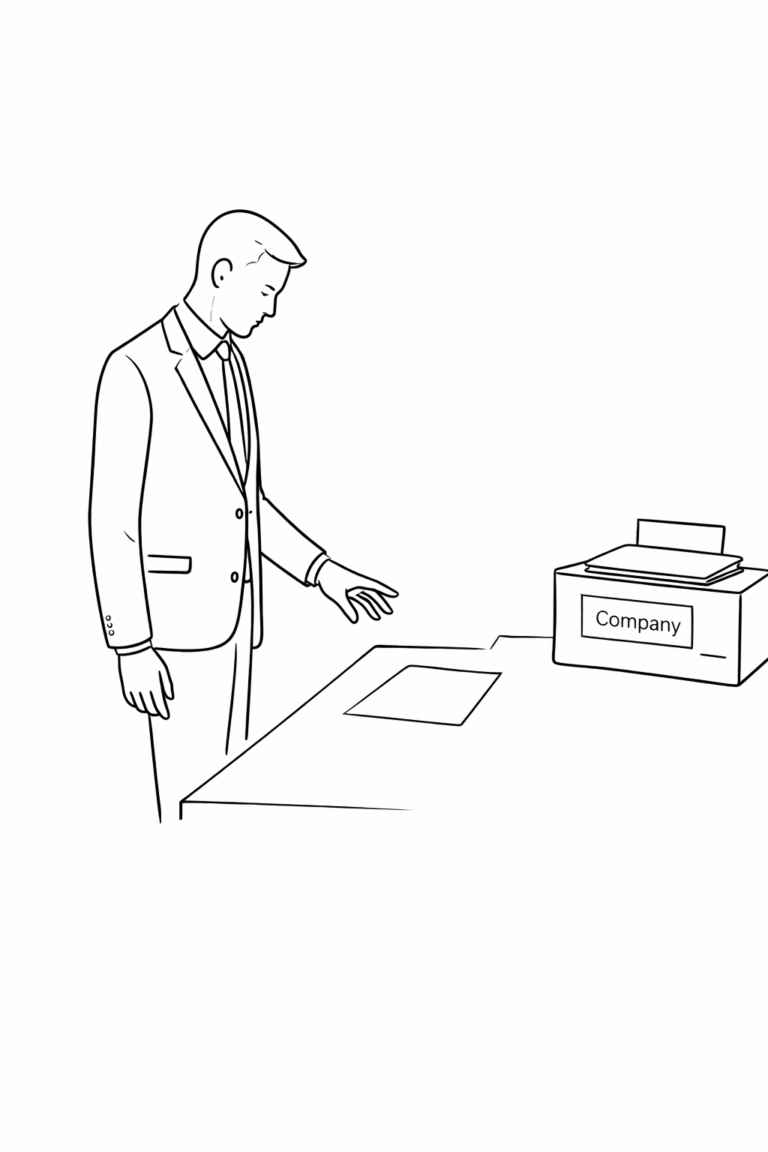
The first time you include personal expenses in a company invoice, you might feel uneasy.
But nothing happens.
No one notices.
So you do it again.
Soon the hesitation disappears.
And with every repetition the amount grows.
The Language of Normalization
People begin explaining their behavior differently.
• everyone does it
• this is how the industry works
• it’s necessary to survive
• I deserve it after all the effort
Excuses begin to cover other excuses.
You remember moments when you felt unfairly treated.
A boss once criticized your work publicly.
You were not rewarded after finishing a difficult project.
Now you tell yourself you deserve compensation.
You take a small amount.
Then a little more.
Recommending one company to another brings a quiet reward.
“Information has value,” you say.
A client pays extra for a creative interpretation of tax law.
“It’s legal,” you explain.
Maybe morally questionable.
But still legal.
A project manager always chooses the same contractor, the one helping build his house for free.
Favor for favor.
“That’s how the system works.”
The Environment Effect
When surrounded by people who behave the same way, the mind stops questioning.
Group behavior becomes moral permission.
In some environments this becomes extremely visible.
You may arrive with strong principles and an idealistic approach.
But after some time you notice that idealism brings frustration rather than reward.
So you slowly adapt.
Not because you planned to.
But because the environment rewards those who already behave this way.
The Quiet Expansion
What started small slowly grows larger.
Not because someone planned it.
But because each step becomes easier than the last.
At first the behavior feels uncomfortable.
Later it feels practical.
Eventually it feels natural.
You no longer wait for opportunities.
You begin looking for them.
The Moment You Stop Noticing
The most dangerous moment arrives when compromise no longer feels like compromise.
It simply feels normal.
In the new environment you move comfortably.
Bending rules.
Falsifying invoices.
Misleading clients.
Nothing feels unusual anymore.
Everyone seems to behave the same way.
So you tell yourself:
“I didn’t change. I just learned how the system works.”
But the real question is rarely asked:
Did I enter the right system in the first place?
Closing Insight
Drift rarely feels like drifting.
It feels like adaptation.
Reflective Questions
• What behavior once felt uncomfortable but now feels routine?
• When did I stop questioning it?
• Am I adapting to my environment, or losing my direction?
• If someone from my past saw me today, what would surprise them most?