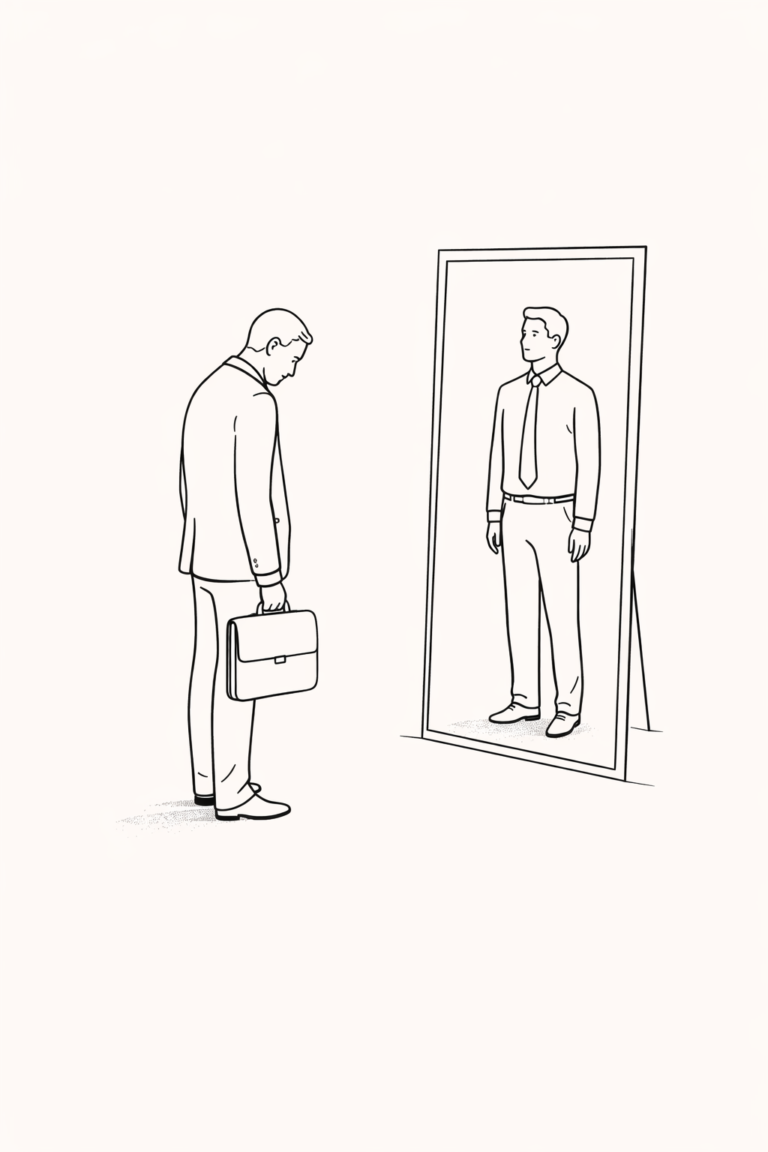
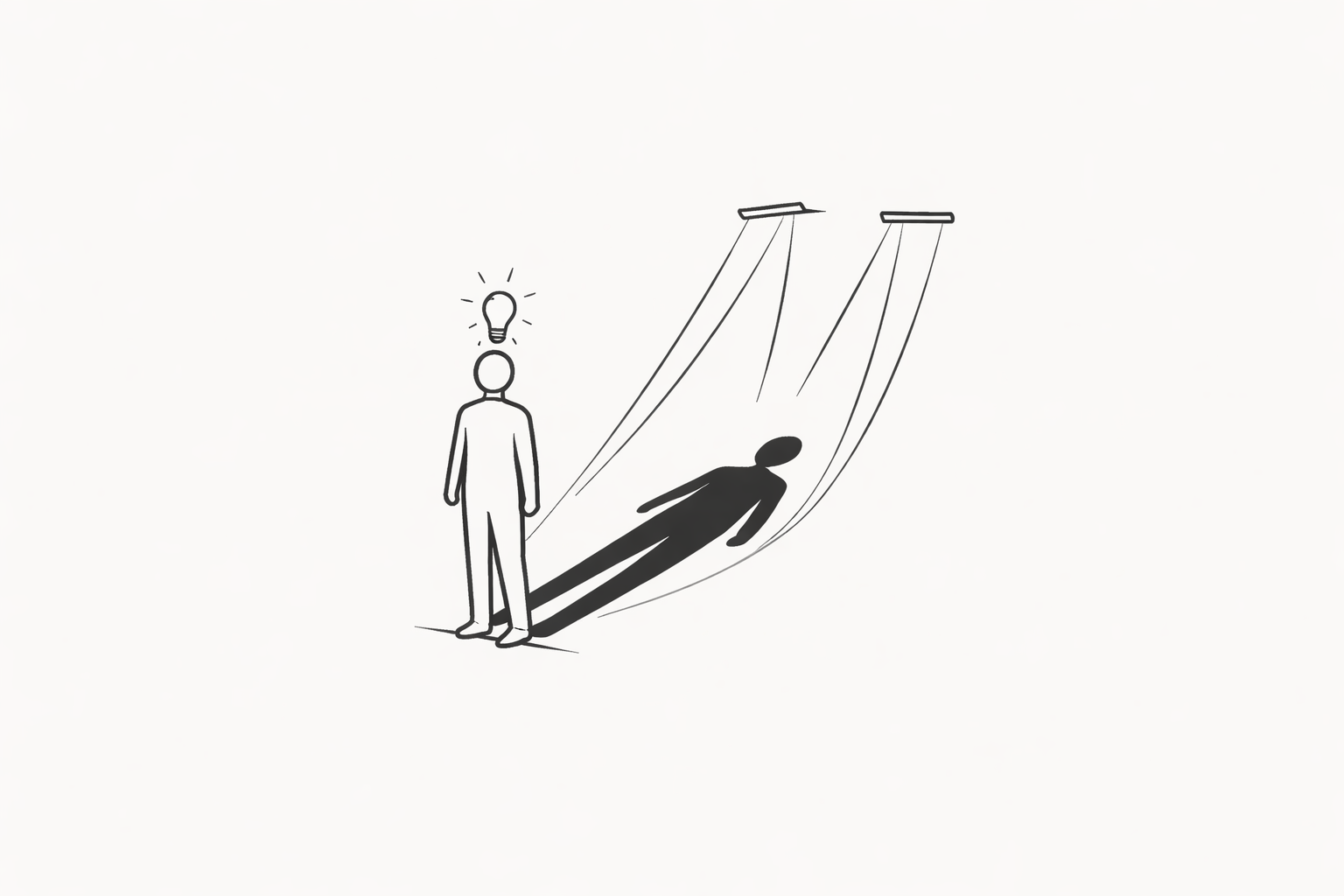

Sometimes the most unsettling thing to witness is not ignorance.
It is intelligence walking calmly toward obvious risk.
The person is capable.
Analytical.
Experienced.
They have avoided mistakes before.
And yet, this time something feels different.
Not because they cannot see the danger. They still see the situation clearly.
But influence quietly changes how their mind interprets what they see.
Influence quietly changes how the situation feels.
Something that once looked like danger now appears as a challenge.
The Movement From Analysis to Emotion
Intelligent people normally evaluate decisions through logic.
They analyze, compare, estimate, and imagine different scenarios before making a decision.
But influence rarely works through logic.
It works through emotions:
- admiration
- urgency
- belonging
- exclusivity
Once emotion enters the decision process, analysis becomes secondary.
The mind begins defending a feeling rather than evaluating a situation. Little signals get ignored. The person starts dismissing these signals as simple fear of risk, something that is always present in business decisions.. Instead of rationally evaluate risk person start beautifying idea to the point that now seems like something most beneficial in every aspect for them.
The Identity Trap
Highly intelligent people often see themselves as independent thinkers.
Ironically, that identity can become a weakness.
When an idea appears that confirms their self-image: visionary, bold, ahead of others, skepticism decreases. You might not even remember, that you wrote about this idea in different context and you resign from realizing it because of some rational reasons, but now when someone presents it to you again you might think that is actually very good idea.
Walking away starts to feel like betraying your identity.
The Narrative Effect
Influence works best when it provides a compelling story. Vision, that match what you want to achieve. Goals that are just ready to reach just you need take specific action. How many times you share your dreams with others.
The intelligent mind loves patterns and meaning.
When a persuasive narrative appears, the brain begins connecting the pieces that support the story and ignoring the pieces that challenge it.
Clarity slowly fades behind the excitement of possibility.
The Commitment Momentum
Once time, money, reputation, or emotional energy are invested, stopping becomes psychologically difficult or even impossible.
The mind moves from evaluating the future to defending the past.
This is where intelligent people become surprisingly vulnerable.
Not because they cannot see the risk.
But because turning back feels more painful than continuing.
You have come so far.
You have invested so much effort.
Now what?
Can you just leave and forget or you will forever regret because you will miss opportunity that might never happen again. You already become someone more powerful, recognizable, appreciated, and if you take step back who you will be then?
The Moment of Recognition
Most people who later regret these decisions say the same thing:
“At some point, I knew something was wrong.”
The signal was small.
A hesitation.
A contradiction.
A moment of discomfort.
But ambition, loyalty, attraction, or excitement pushed the signal aside.
Influence rarely removes warning signs. It simply convinces us they are not important. it calming your fears, makes them so irrelevant that you start doubt in your own thinking and ability to estimate situation clearly.
Closing Insight
Intelligence does not fail because people cannot see danger.
It fails when emotional forces quietly reshape what danger looks like.
The most powerful protection is not intelligence.
It is the courage to pause when something inside you hesitates. Intuition and instinct is very powerful defense mechanism. If you intuitively feel something is wrong usually is. Ignoring this feeling is not courage to take a risk, it is the fear that you might lose something precious. But the biggest risk is that you can actually lose yourself.
Reflective Questions
• Am I evaluating the situation, or protecting a story I want to believe?
• What emotion is strongest in this decision: admiration, urgency, belonging, or excitement?
• If I removed the person influencing me from the situation, would the idea still make sense?
• At what moment did my initial hesitation appear?
• What would it cost me to stop now and what might it cost if I continue?