
When involvement becomes instability
The Emotional Trigger
Founders often equate control with quality.
“I must oversee everything.”
“No one understands it like I do.”
“If I step back, standards will drop.”
The intention is responsibility.
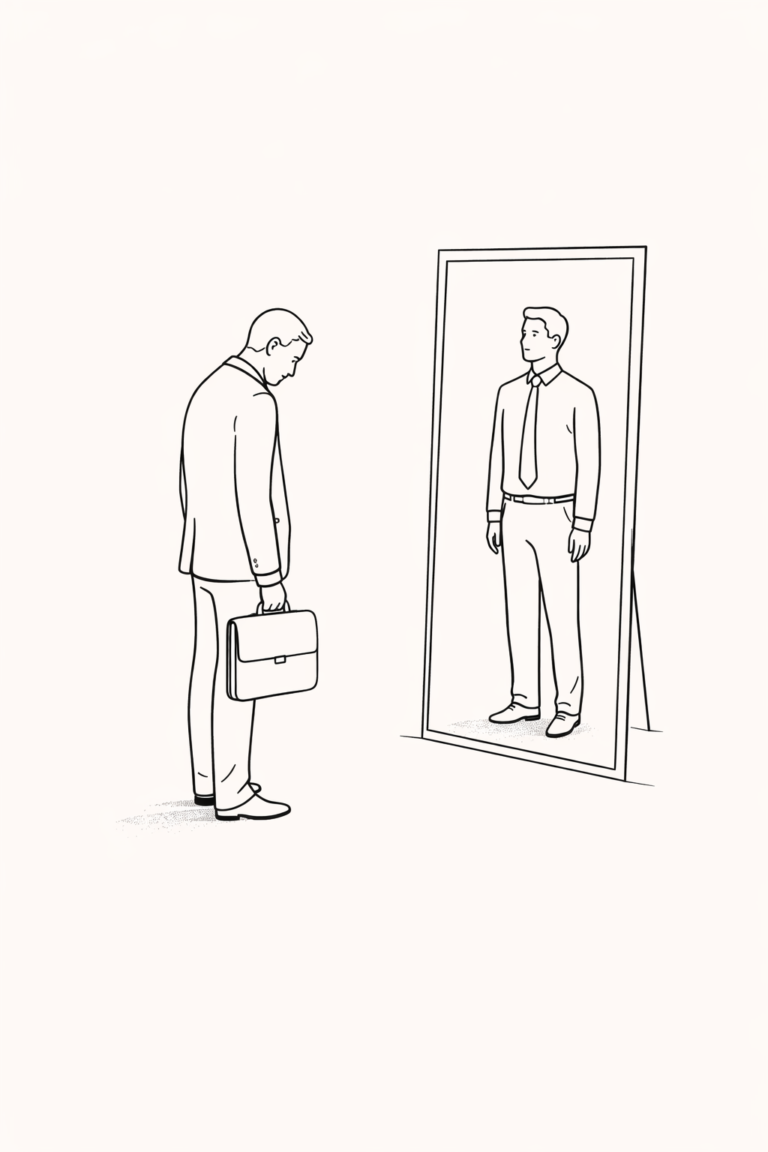
The emotional driver is fear of loss.
Loss of control.
Loss of identity.
Loss of relevance.
The Rational Justification
The founder tells themselves:
- “It’s faster if I handle it.”
- “Delegation creates mistakes.”
- “I’ll build the structure later.”
Initially, this works.
Until scale increases.
The Structural Consequence
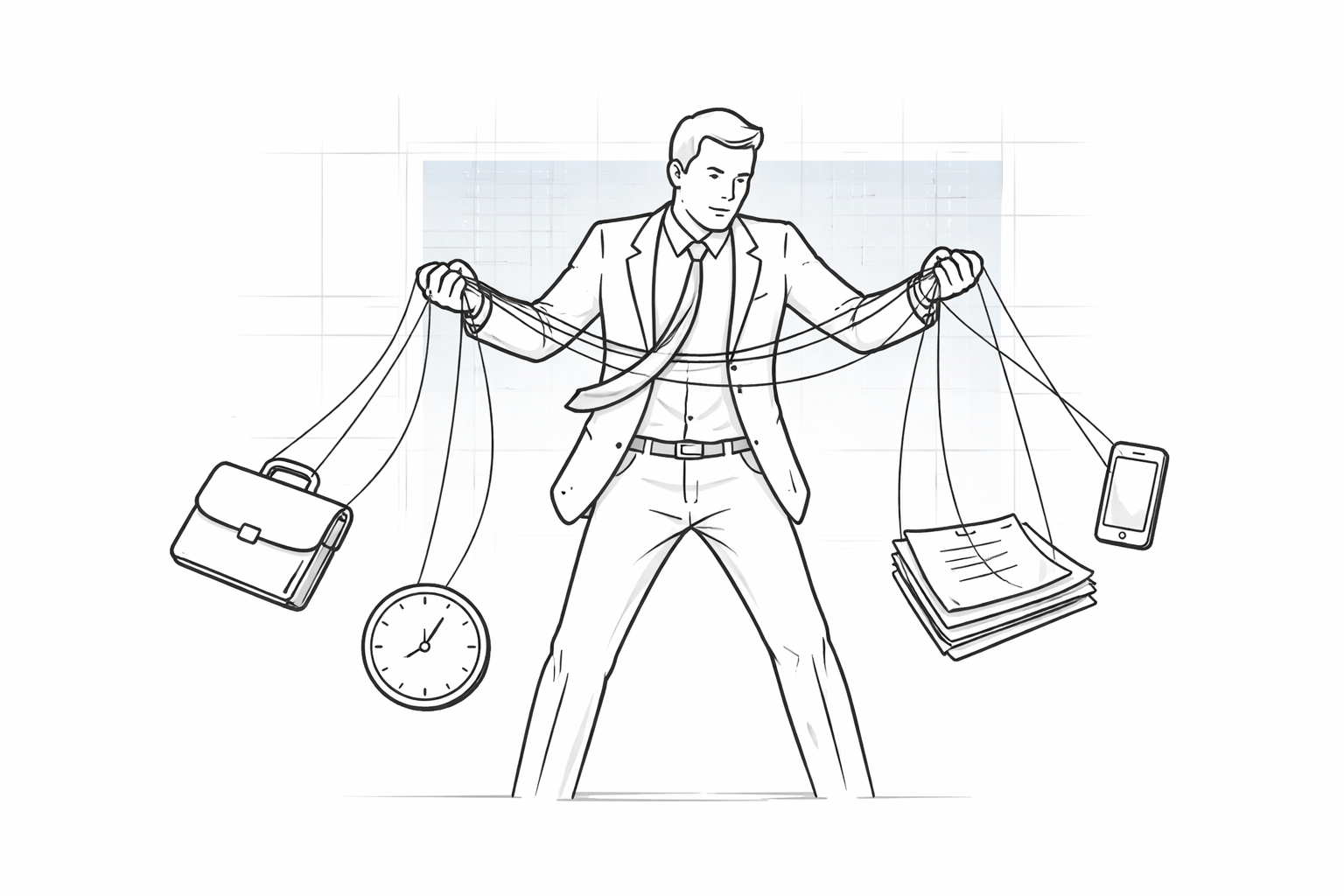
Excessive control creates:
- Decision bottlenecks
- Team dependency
- Slow execution
- Founder exhaustion
- Reactive rather than strategic behavior
The business grows.
But its capacity does not.
The system becomes fragile.
Preventive Intervention
Control must shift from execution to architecture.
Control is not presence.
Control is design.
Closing Insight
Control feels like strength.
But when control replaces structure, it becomes fragility.
A business that depends entirely on one person is not stable – it is exposed.
True leadership is not measured by how much you oversee.
It is measured by how well the system functions without you.
Reflective Questions
What decisions should belong to structure rather than to me personally?
If I step away for two weeks, what would stop functioning immediately?
Am I involved because it is necessary — or because it feels safer?
Do I trust my systems – or only myself?